
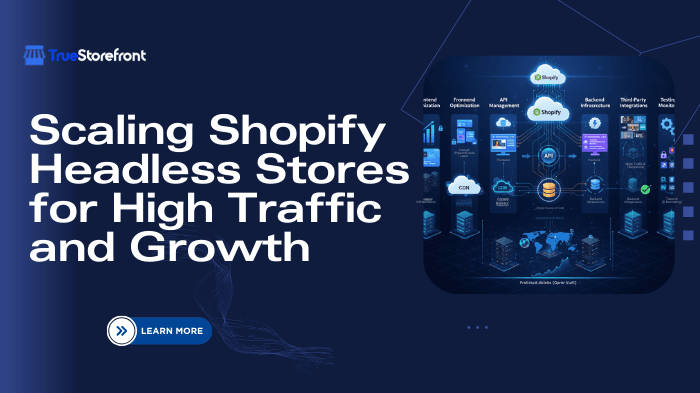
In the dynamic world of e-commerce, the ability to scale your online store is not just an advantage; it's a necessity. As your business grows, so does the volume of traffic and transactions your platform must handle. For merchants leveraging the power of Shopify Headless, understanding and implementing robust scalability strategies is paramount to sustained success. This comprehensive guide will delve into the best practices for scaling Shopify headless stores, ensuring they can seamlessly manage high traffic, accommodate rapid growth, and deliver an exceptional customer experience.
The allure of headless commerce lies in its inherent flexibility and performance advantages. By decoupling the frontend presentation layer from the backend e-commerce engine, Shopify Headless offers unparalleled customization, speed, and agility. However, this architectural freedom also introduces new considerations when it comes to scalability. A poorly optimized headless setup can quickly buckle under pressure, leading to slow load times, frustrated customers, and lost revenue. Our goal here is to equip you with the knowledge and tools to prevent such scenarios and build a headless infrastructure that is not only resilient but also primed for continuous expansion.
I. Understanding the Core Concepts of Headless Scalability
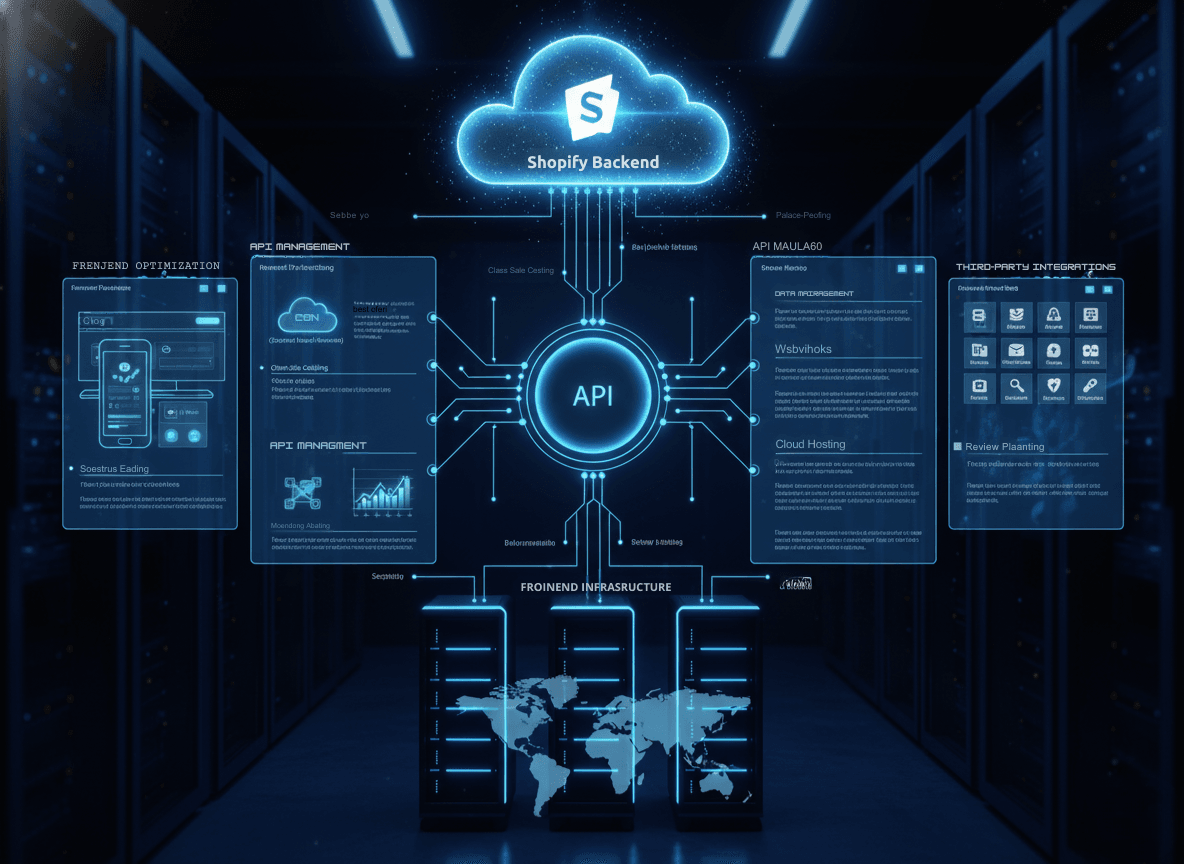
Before diving into specific strategies, it's crucial to grasp the fundamental concepts that underpin headless scalability. Unlike traditional monolithic platforms where scaling often involves upgrading a single, integrated system, headless scalability focuses on optimizing multiple, distinct components.
1. Decoupled Architecture
The very nature of headless means you're dealing with separate frontend and backend systems. Scaling involves optimizing both independently, as well as the communication between them. 2. API Reliance
Shopify Headless heavily relies on APIs for data exchange. The efficiency and resilience of these API calls are critical to performance under load.
3. Frontend Infrastructure
Your custom frontend (built with frameworks like React, Vue, or Next.js) requires its own hosting, content delivery, and caching mechanisms, all of which must be scalable.
4. Backend (Shopify) Scalability
While Shopify itself is a highly scalable platform, how you interact with it and how many concurrent operations you perform can still impact performance.
5. Data Management
Efficiently handling product data, customer information, and order data across multiple systems is key to avoiding bottlenecks.
II. Why Scaling Headless is Different (and Often Better)
While the multi-component nature of headless might seem complex, it offers significant advantages for scalability:
- Independent Scaling: You can scale individual components (e.g., your frontend application, your image CDN, your payment gateway) without affecting others. This allows for targeted optimization and cost efficiency.
- Specialized Technologies: Each layer can utilize the best-in-class technology for its specific function. For instance, you can use a lightning-fast CDN for frontend assets, while Shopify handles the core e-commerce logic.
- Global Reach: Headless architectures are inherently better suited for global expansion, allowing you to deploy frontend instances closer to your international customer base.
- Resilience: The decoupled nature means that if one component experiences an issue, the entire system is less likely to fail. For example, a frontend outage might not prevent backend operations or vice versa.
III. Key Pillars of Shopify Headless Scalability
To achieve true scalability for your Shopify headless store, you need to focus on several interconnected areas.
1. Frontend Performance Optimization
The frontend is what your customers directly interact with, making its performance paramount.
- Choose the Right Frontend Framework: Modern frameworks like Next.js, Nuxt.js, Gatsby, or Hydrogen are designed with performance and scalability in mind. They offer features like server-side rendering (SSR), static site generation (SSG), and incremental static regeneration (ISR) that significantly improve initial load times and overall responsiveness.
- SSR/SSG/ISR: Understand the trade-offs. SSG is fastest for static content but requires a rebuild for changes. SSR provides fresh content but adds server load. ISR offers a good balance.
- Content Delivery Networks (CDNs): Implement a robust CDN (e.g., Cloudflare, Akamai, AWS CloudFront, Fastly) for all static assets (images, videos, CSS, JavaScript). CDNs cache content closer to your users, drastically reducing load times and offloading traffic from your origin server.
- Image Optimization: This deserves special mention. Large, unoptimized images are often the biggest culprits for slow page loads. Use modern image formats (WebP, AVIF), implement lazy loading, and serve responsive images tailored to the user's device. Consider dedicated image optimization services.
- Client-Side Caching: Leverage browser caching for frequently accessed resources. Set appropriate cache-control headers.
- Code Splitting and Minification: Break down your JavaScript bundles into smaller chunks that are loaded on demand. Minify all code (HTML, CSS, JavaScript) to reduce file sizes.
- Critical CSS: Inline critical CSS directly into your HTML to render the above-the-fold content as quickly as possible, deferring the rest.
- Lazy Loading: Apply lazy loading to images, videos, and even components that are not immediately visible on the initial screen.
- Efficient Data Fetching: Minimize the number of API calls and fetch only the data you need. Use GraphQL if available to precisely request data.
- Web Vitals Optimization: Continuously monitor and improve Core Web Vitals (LCP, FID, CLS) as they directly impact user experience and SEO.
2. API Management and Optimization
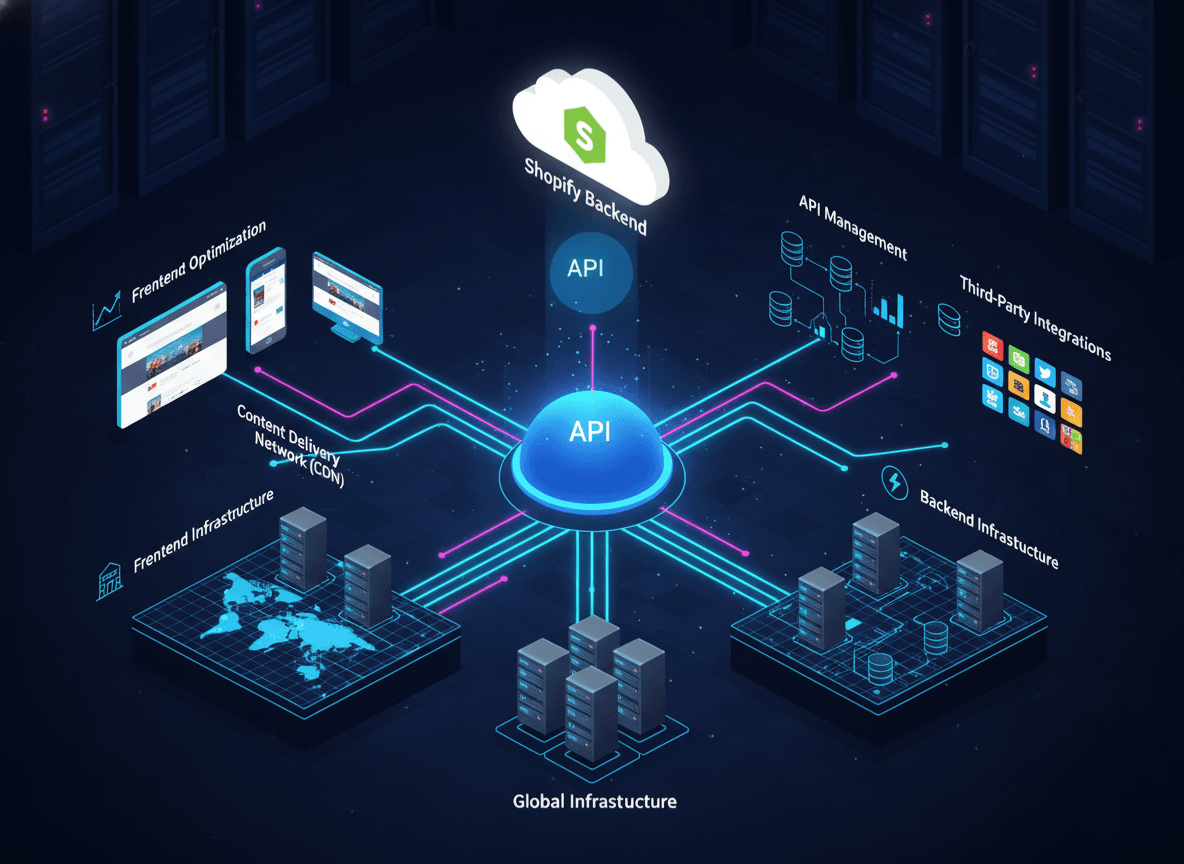
APIs are the communication backbone of your headless store. Their efficiency directly impacts scalability.
- Minimize API Calls: Each API call incurs latency and consumes resources. Structure your frontend to make as few API calls as necessary. Batch requests where possible.
- Caching API Responses: Implement caching for frequently requested API data that doesn't change often (e.g., product categories, static page content). This can be done at various layers:
- Edge Caching (CDN): For public, non-user-specific data.
- Server-Side Caching: In your frontend application server.
- Client-Side Caching: Using tools like React Query or SWR.
- Error Handling and Rate Limiting: Implement robust error handling to gracefully manage API failures. Be aware of Shopify's API rate limits and design your application to respect them, potentially using exponential backoff for retries. Consider a dedicated API gateway for advanced rate limiting and security.
- GraphQL for Precision: If you're building a custom frontend, consider using Shopify's Storefront API with GraphQL. GraphQL allows you to request exactly the data you need, avoiding over-fetching and reducing payload sizes, which is crucial for mobile performance and scalability.
- Webhooks for Real-Time Updates: Instead of constantly polling the API for changes, use Shopify webhooks to receive real-time notifications for events like product updates, inventory changes, or new orders. This reduces unnecessary API traffic.
3. Backend Infrastructure (Your Frontend Host)
While Shopify handles its own backend scalability, your custom frontend application needs a robust hosting environment.
- Cloud Hosting Providers: Utilize scalable cloud platforms like Vercel, Netlify, AWS Amplify, Google Cloud, or Azure. These platforms offer auto-scaling capabilities, global distribution, and managed services that simplify deployment and maintenance.
- Serverless Functions: For dynamic content or API calls that need a custom backend, serverless functions (e.g., AWS Lambda, Google Cloud Functions, Vercel Functions) are highly scalable and cost-effective, only running when invoked.
- Database Scaling (if applicable): If your headless setup involves a custom database for supplementary data, ensure it's designed for scalability. This might involve vertical scaling (more powerful server), horizontal scaling (sharding, replication), or using managed database services.
- Load Balancing: Even with auto-scaling, a load balancer is essential to distribute incoming traffic evenly across multiple instances of your frontend application, preventing any single instance from becoming a bottleneck.
- Monitoring and Alerting: Implement comprehensive monitoring for your frontend application and infrastructure. Track key metrics like CPU usage, memory, network I/O, error rates, and response times. Set up alerts to notify you of potential issues before they impact users.
4. Data Management and Synchronization
Efficiently managing data across your headless architecture is critical for performance and consistency.
- Product Information Management (PIM): For complex catalogs or multiple sales channels, a PIM system can centralize and enrich product data, acting as a single source of truth before syncing with Shopify and your frontend. This ensures data consistency and simplifies updates.
- Inventory Synchronization: Implement reliable real-time or near real-time inventory synchronization between Shopify and any external systems (e.g., ERP, WMS) to prevent overselling or underselling. Webhooks are invaluable here.
- Customer Data Management: Decide where customer data resides (primarily Shopify) and how it integrates with any marketing automation or CRM systems you use.
- Order Processing Flow: Ensure your order processing flow, from checkout to fulfillment, is robust and can handle peak volumes without breaking. This includes payment gateway integration and post-purchase processes.
- Incremental Data Updates: Instead of fetching all data every time, design your system to fetch only changed or new data, reducing bandwidth and processing power.
5. Third-Party Integrations and Services
Headless commerce often involves integrating with numerous third-party services.
- Payment Gateways: Ensure your chosen payment gateways are scalable and can handle high transaction volumes. Test them thoroughly under load.
- Search and Filtering: For large product catalogs, consider dedicated search solutions like Algolia, ElasticSearch, or Shopify's own search API with proper indexing. These services are optimized for fast, relevant search results.
- Review Platforms: Integrate review platforms (e.g., Yotpo, Loox) efficiently, ensuring their scripts don't block critical rendering paths.
- Marketing Automation: Connect your headless store to email marketing, SMS marketing, and CRM platforms using robust APIs or integrations.
- Shipping and Fulfillment: Integrate with your chosen shipping carriers and fulfillment providers, again leveraging webhooks for status updates.
- Performance Impact of Third Parties: Be mindful that every third-party script or widget you add to your frontend can impact performance. Audit them regularly and use techniques like lazy loading or deferring their execution.
6. Testing and Monitoring
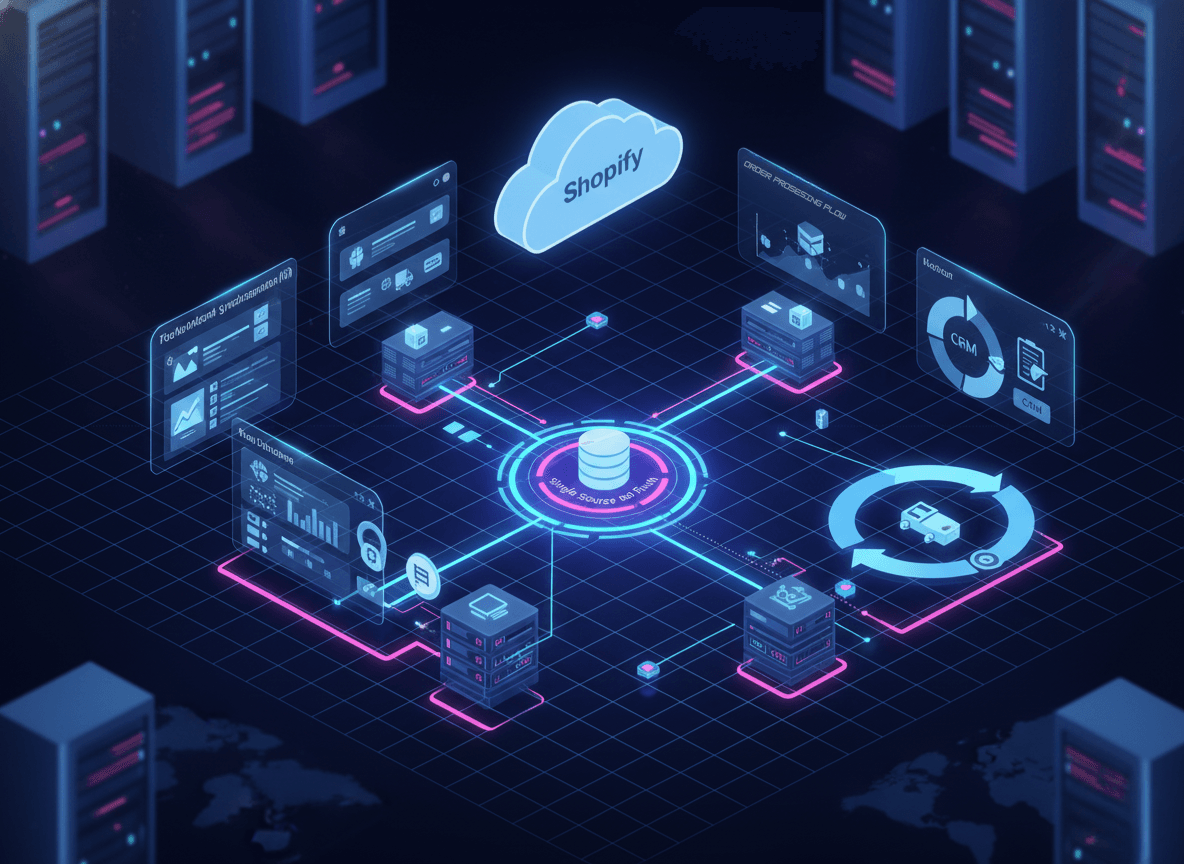
You can't optimize what you don't measure. Robust testing and continuous monitoring are non-negotiable for scalability.
- Load Testing: Simulate high traffic scenarios to identify bottlenecks in your frontend, APIs, and backend infrastructure before they impact live users. Tools like JMeter, k6, or LoadRunner can be invaluable.
- Identify Bottlenecks: Pay close attention to CPU usage, memory, network I/O, database queries, and API response times during load tests.
- Break-Point Analysis: Determine the maximum number of concurrent users your system can handle before performance degrades significantly.
- Performance Monitoring (APM): Implement Application Performance Monitoring (APM) tools (e.g., Datadog, New Relic, Sentry) to gain real-time insights into your application's health, identify errors, and track performance metrics.
- Real User Monitoring (RUM): Understand how actual users experience your site. RUM tools collect data on page load times, interaction times, and errors directly from user browsers.
- Synthetic Monitoring: Set up automated tests that regularly check your website's availability and performance from various global locations.
- Alerting: Configure alerts for critical thresholds (e.g., high error rates, slow response times, resource exhaustion) to proactively address issues.
- A/B Testing (Frontend): When making significant changes to your frontend, use A/B testing to ensure performance improvements are real and don't negatively impact conversion rates.
7. Security Considerations for Scalability
While often overlooked in scalability discussions, robust security is crucial, especially as traffic increases.
- DDoS Protection: Utilize CDNs and specialized services to protect your frontend and APIs from Distributed Denial of Service (DDoS) attacks.
- API Security: Implement API keys, OAuth, or other authentication mechanisms to secure your API endpoints. Validate all input.
- Web Application Firewall (WAF): A WAF can protect your frontend application from common web vulnerabilities and attacks.
- Regular Security Audits: Conduct periodic security audits of your custom code and infrastructure.
- Compliance: Ensure your data handling practices comply with relevant regulations (e.g., GDPR, CCPA).
IV. The Role of Shopify in Headless Scalability
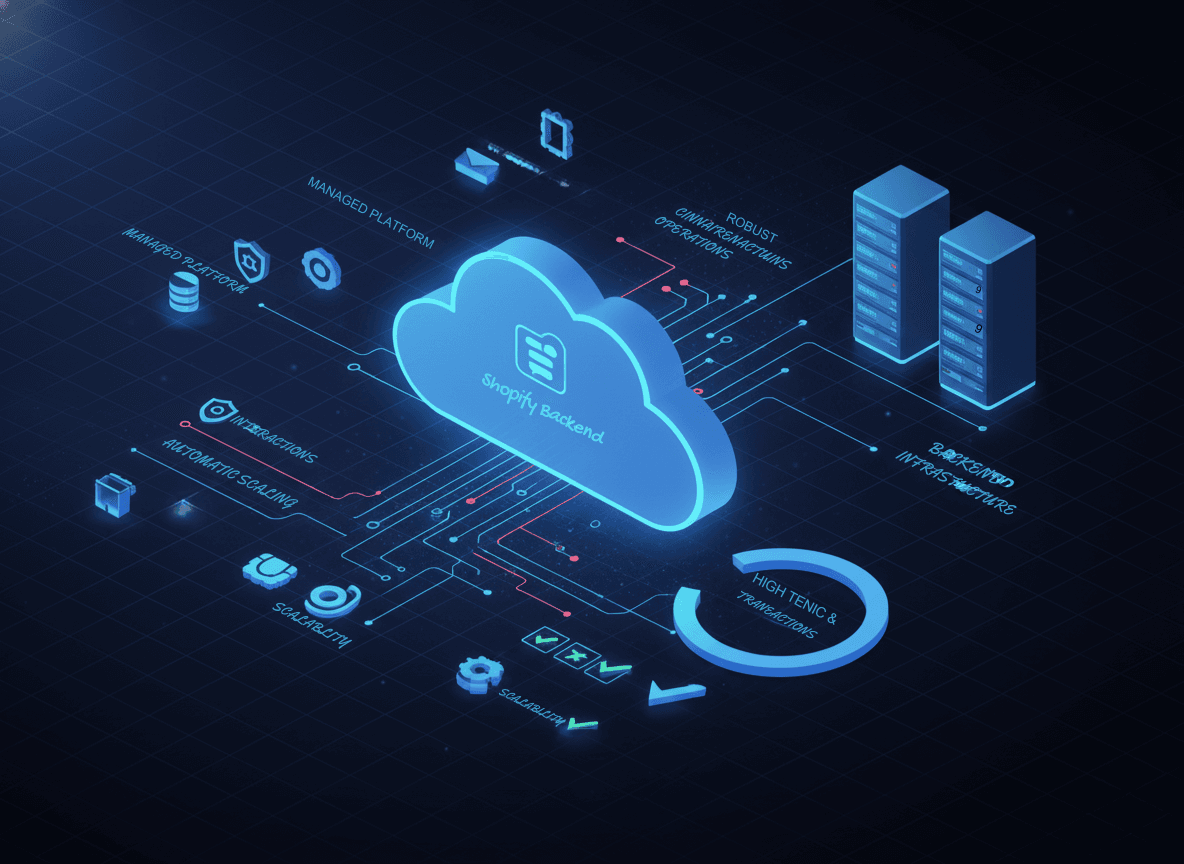
It's important to remember that Shopify itself provides a highly scalable and robust backend for headless stores.
- Shopify's Infrastructure: Shopify's core platform is designed to handle immense traffic and transaction volumes, particularly during peak sales events like Black Friday Cyber Monday.
- Managed Services: Shopify handles hosting, security, and maintenance of the backend, freeing you to focus on your custom frontend and business logic.
- API Evolution: Shopify continuously evolves its APIs (Storefront API, Admin API) to support headless commerce, offering new features and performance improvements.
- Hydrogen and Oxygen: Shopify's Hydrogen framework and Oxygen hosting platform are specifically designed to simplify the development and deployment of scalable, performance-optimized headless Shopify stores. Leveraging these can significantly streamline your scalability efforts.
V. Future-Proofing Your Scalable Headless Store
Scalability is not a one-time task; it's an ongoing process.
- Modular Architecture: Design your frontend and any custom backend services with modularity in mind. This makes it easier to swap out components, scale individual services, and introduce new features without impacting the entire system.
- Microservices (if applicable): For very large and complex headless setups, consider a microservices architecture for custom functionalities, allowing for even finer-grained scaling and independent development teams.
- DevOps Culture: Foster a strong DevOps culture within your team, emphasizing automation, continuous integration/continuous deployment (CI/CD), and infrastructure as code. This accelerates development, reduces errors, and improves reliability.
- Stay Updated: The headless ecosystem evolves rapidly. Stay informed about new frontend frameworks, CDN features, API updates from Shopify, and cloud services that can further enhance your scalability.
- Cost Optimization: While scaling, continuously monitor your infrastructure costs. Cloud resources can become expensive if not managed efficiently. Look for opportunities to optimize resource allocation and leverage reserved instances or spot instances where appropriate.
Conclusion
Scaling a Shopify headless store for high traffic and sustained growth requires a strategic and multifaceted approach. It involves meticulous frontend optimization, intelligent API management, robust backend infrastructure, efficient data handling, and continuous monitoring and testing. By embracing the decoupled nature of headless commerce and leveraging the right technologies and practices, businesses can build e-commerce experiences that are not only blazingly fast and highly customizable but also incredibly resilient and ready for whatever growth opportunities lie ahead. The journey to a truly scalable headless store is an investment in your future success, ensuring your digital storefront remains a powerful engine for revenue generation, no matter the scale of your ambition.
Are you ready to optimize your Shopify headless store for unparalleled performance and growth?
Read more: