
When you think of modern streetwear, one name instantly dominates the conversation. Supreme began as a humble skate shop in downtown Manhattan in 1994. Today, it is a billion-dollar global phenomenon. People camp out for days in front of physical stores, and online inventory vanishes in literal seconds.
This level of intense, concentrated demand brings us to a fascinating question for ecommerce professionals. How does a brand handle hundreds of thousands of concurrent users trying to buy out inventory simultaneously without their website crashing into oblivion?
The ecommerce community frequently searches for details regarding the supreme shopify connection. They want to know the technology stack powering this beast. Is Supreme actually built on Shopify? If it is, how do they utilize the platform differently than a standard retailer?
In this comprehensive guide, we will answer the burning questions about the supreme shopify ecosystem. We will dissect the technology behind their storefront, explore the psychology of their sales model, and break down the actionable lessons that every ecommerce merchant can learn from their monumental success.
Whether you are a startup clothing brand or a multi-million dollar retail operation, there is incredible value in studying how Supreme operates online. Let us dive into the mechanics of hype, scarcity, and flawless execution.
I. The Core Question: Is Supreme Built on Shopify?
To put it simply and directly: Yes, Supreme uses Shopify. Specifically, they utilize Shopify Plus, which is the enterprise-level version of the Shopify platform designed for high-volume merchants.

However, Supreme did not always use Shopify. In the early days of their online presence, Supreme relied on custom-built infrastructure. As the brand's popularity exploded globally in the 2010s, their legacy servers simply could not handle the crushing weight of their weekly product drops. Thursday mornings at 11:00 AM became notorious for site crashes, gateway timeouts, and deeply frustrated customers. The traffic spikes were too aggressive for a traditional server setup to manage effectively.
Moving to Shopify Plus was a strategic masterstroke for the brand. Shopify Plus offers a cloud-based, fully hosted solution that promises 99.99% uptime. More importantly, it is specifically engineered to handle flash sales and massive concurrent checkouts.
When people search for information on the supreme shopify tech stack, they are usually looking to understand how the site survives Thursday mornings. Shopify Plus can process tens of thousands of transactions per minute. By migrating to this enterprise platform, Supreme outsourced the agonizing headache of server scaling to a company that specializes in it. This allowed Supreme to focus on what they do best: designing highly coveted products and marketing them through exclusivity.
II. Understanding the Anatomy of a Supreme Drop
To fully grasp why the supreme shopify partnership is so critical, you have to understand the business model. Supreme does not operate like a traditional retailer. A standard ecommerce store releases a seasonal collection, heavily markets those items, restocks them when they run low, and eventually puts them on sale to clear out end-of-season inventory.
Supreme rejects every single one of those traditional retail rules.
Instead, they operate on a "drop" model. Every Thursday during their active season, they release a highly limited amount of new products at exactly 11:00 AM. There are no restocks. There are no sales or discount codes. Once an item is gone, it is gone forever.
This creates an intense psychological phenomenon known as FOMO (Fear Of Missing Out). Customers know that if they are not on the website at 10:59 AM, constantly refreshing their browser, they will miss out on the item they want. Furthermore, because the items are so scarce, a massive secondary resale market exists. A t-shirt that retails for forty dollars might sell on a secondary marketplace for two hundred dollars just ten minutes later.
This dynamic results in traffic patterns that look like a heart monitor jumping from zero to a million instantly. The supreme shopify setup is designed specifically to absorb this shock.
When the clock strikes eleven, Shopify servers dynamically allocate resources to the Supreme storefront. The platform acts as a massive funnel, queuing buyers, authorizing credit cards in fractions of a second, and updating inventory counts globally in real time. If the inventory updating system lagged even slightly, Supreme would oversell their limited products, leading to canceled orders and furious customers. The precision required is staggering.
III.The Bizarrely Brilliant Minimalist UX/UI
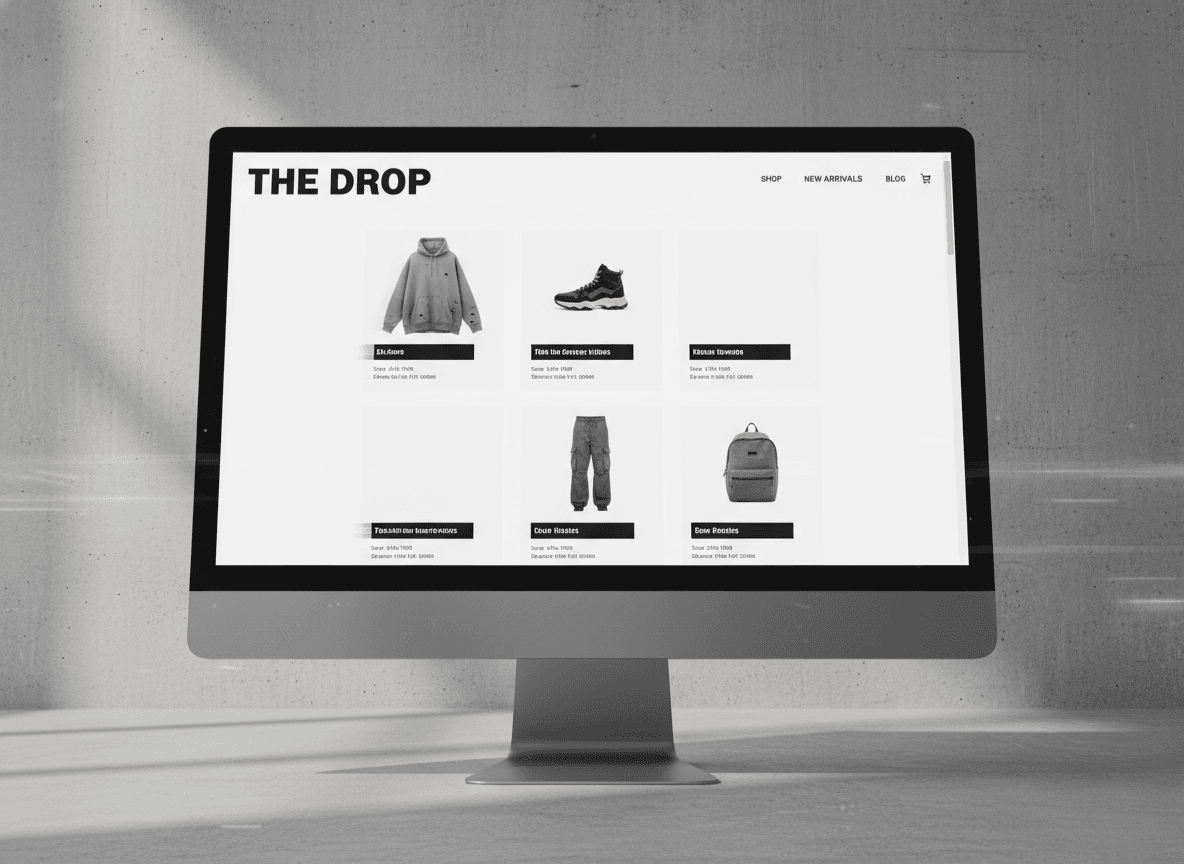
If you visit the Supreme website today, you might be shocked by how basic it looks. In an era where ecommerce gurus preach about dynamic video headers, interactive size guides, personalized product recommendations, and spin-to-win discount wheels, Supreme offers almost none of that.
The homepage is usually just a blank white screen with the current season's lookbook or a single piece of media. The actual web store is a basic grid of product images. There are no related items displayed. There are no customer reviews. There is no live chat widget in the corner.
Why does the supreme shopify store look like a website from 2005?
Because the friction is the point. The bare-bones design serves multiple brilliant purposes.
First, it removes all distractions. When a customer has exactly six seconds to add a hoodie to their cart and check out before it sells out, they do not want to be interrupted by a pop-up asking them to subscribe to a newsletter. They need a straight, uninhibited line from the product page to the checkout button.
Second, a minimalist site loads infinitely faster than a heavy site loaded with third-party tracking scripts and massive image carousels. In the world of hype drops, a page load delay of one second is the difference between a successful purchase and a "Sold Out" screen.
Third, it reinforces the brand's cool, aloof identity. Supreme does not need to beg you to buy their clothes. They do not need to show you five-star reviews to convince you of their quality. By stripping away standard marketing gimmicks, they project total confidence. The product speaks for itself.
IV. 7 Powerful Lessons Merchants Can Learn from Supreme
You do not need to be a global streetwear brand to benefit from Supreme's tactics. Whether you sell coffee beans, custom jewelry, or software, the supreme shopify ecosystem offers incredible insights into consumer psychology and digital strategy.
Here are seven critical lessons you can extract from Supreme and apply to your own ecommerce business today.
1. Master the Art of Scarcity
Human beings are wired to desire things that are hard to get. While you may not be able to sell out your entire inventory in ten seconds, you can manufacture scarcity to drive conversions.
Consider implementing limited-edition product runs. Instead of keeping a specific colorway of your product in stock all year, release a seasonal colorway that will never be produced again. Use countdown timers for flash sales. Clearly display low stock warnings on your product pages (for example, "Only 3 left in stock"). Scarcity forces a customer to stop browsing and start buying by removing the luxury of time.
2. Prioritize Speed Over Frills
The supreme shopify store is lightning fast because it lacks heavy code. Many merchants make the mistake of installing dozens of apps on their storefront. They add heat-mapping tools, multiple pop-ups, complex review widgets, and massive high-resolution background videos. All of this bloat slows down the website.
Studies consistently show that conversion rates drop drastically for every additional second a page takes to load. Audit your website. Remove unnecessary applications. Compress your images. Ensure your mobile experience is incredibly fast. If a feature does not directly help a customer make a purchase, consider removing it.
3. Build True Brand Equity
Supreme can charge a premium for a basic white t-shirt simply because it has a small red box printed on it. That is the power of brand equity. They built this equity over decades by staying deeply authentic to their skateboarding roots. They sponsored local skaters, collaborated with relevant underground artists, and never compromised their core identity to appeal to the masses.
Merchants must realize that competing on price is a race to the bottom. Someone can always manufacture your product cheaper. You cannot build long-term success on discounts alone. Instead, invest heavily in your brand story. Build a community around your products. When people love what your brand stands for, they become price-insensitive.
4. Prepare for Traffic Spikes Proactively
If you are planning a massive Black Friday sale, a viral marketing campaign, or an influencer collaboration, you must ensure your infrastructure can handle it. The main reason for the supreme shopify migration was stability.
If you are currently on a shared hosting plan or a rigid platform, a sudden influx of viral traffic could crash your site, costing you thousands of dollars in lost revenue and damaging your reputation. Ensure you are using a scalable, cloud-based platform. Test your site speed and consult with your hosting provider before launching any massive marketing campaigns.
5. Streamline the Checkout Process
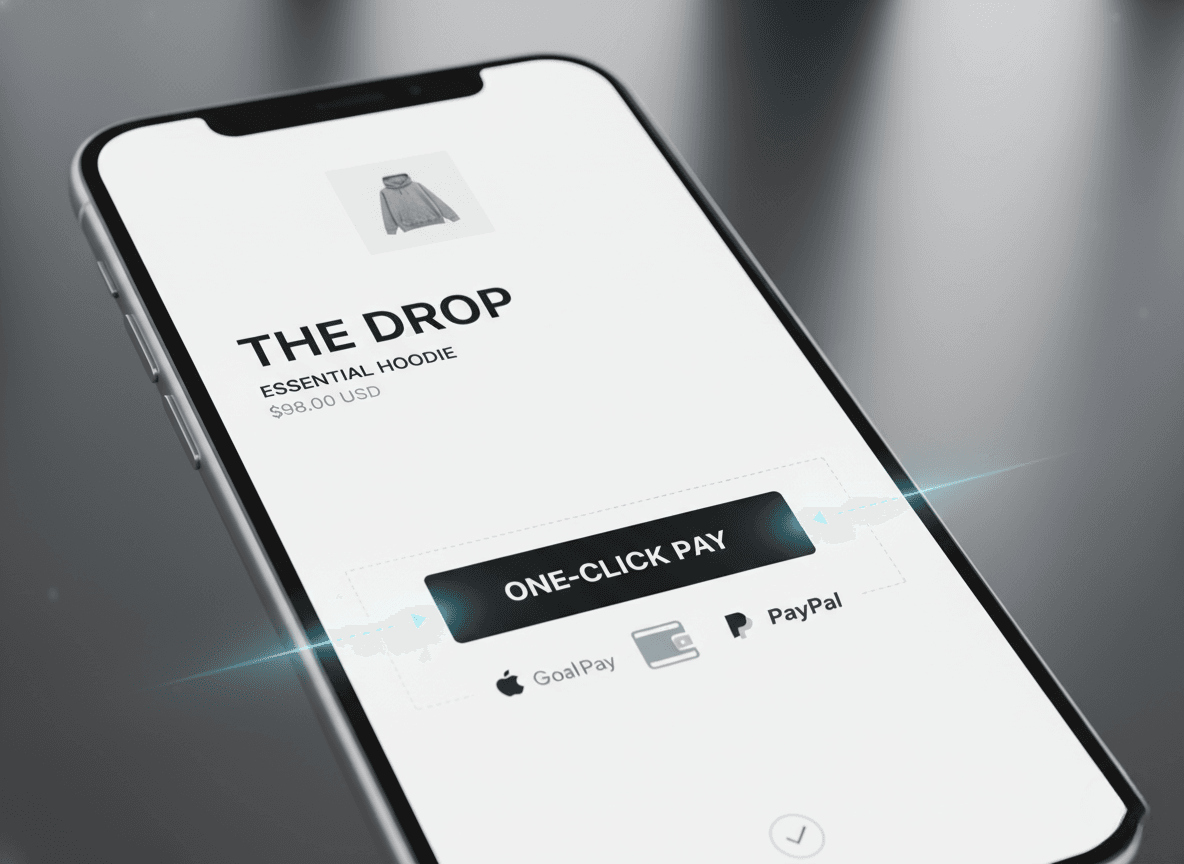
In a Supreme drop, speed is survival. They utilize a highly optimized, single-page checkout flow. They also heavily leverage fast-payment options.
As a merchant, your checkout process should be completely frictionless. Do not force customers to create an account to complete a purchase. Always offer guest checkout. More importantly, integrate digital wallets like Shop Pay, Apple Pay, and Google Pay. These express checkout options allow customers to bypass typing in their shipping and credit card information, reducing cart abandonment rates drastically.
6. Combat Bots and Fraud
One of the darkest sides of the hype business model is the proliferation of automated checkout bots. Resellers use highly sophisticated software to scrape the supreme shopify site, add items to a cart, and check out faster than any human possibly could.
While everyday merchants might not face sneaker bots, they do face credit card testing fraud and malicious traffic. Supreme works constantly with Shopify to implement CAPTCHAs and bot-mitigation tools. You must also secure your store. Utilize built-in fraud analysis tools. Set up rules to flag high-risk orders (such as when the billing address and shipping address are in different countries) to protect your business from chargebacks.
7. Embrace Omnichannel Synergy
While this article focuses on the digital supreme shopify experience, it is impossible to ignore their physical retail strategy. Supreme’s physical stores in New York, Tokyo, London, and Paris are iconic. They serve as cultural hubs.
The digital and physical worlds feed into each other perfectly. The hype generated by the lines outside the physical stores creates media coverage, which in turn drives massive traffic to the website.
For modern merchants, the lesson is that omnichannel retail is vital. Even if you are a digitally native brand, consider hosting physical pop-up shops in major cities. Attend trade shows. Create real-world touchpoints for your customers to experience your brand offline. The physical interactions will build loyalty that translates directly into online sales.
V. Replicating the Success with TrueStorefront
You do not need to be a billion-dollar streetwear empire to build a highly optimized, conversion-focused online store. The strategies behind the supreme shopify success are accessible to any merchant willing to implement them carefully.
The secret lies in combining robust, scalable technology with a clear, uncompromising brand vision. You need a storefront that strips away friction, loads instantly, and handles traffic seamlessly.
This is where TrueStorefront can elevate your business. At TrueStorefront, we understand that your digital presence is the heart of your revenue engine. Whether you are looking to refine your user experience, improve your site speed, or implement advanced ecommerce strategies inspired by top-tier brands, our resources and insights are designed to help you scale efficiently.
By analyzing case studies like Supreme, we help merchants identify exactly what works in the modern retail landscape. You can learn to leverage scarcity, optimize your mobile checkout, and build a digital environment that turns casual browsers into lifelong brand advocates.
Conclusion
The supreme shopify relationship is a masterclass in modern ecommerce architecture. By migrating to a robust platform like Shopify Plus, Supreme solved their technical bottlenecks and allowed their unique business model to flourish on a global scale.
They proved that you do not need a complex, feature-heavy website to generate massive revenue. Instead, you need extreme reliability, a frictionless path to purchase, and an unparalleled understanding of your target audience.
By applying the lessons of scarcity, minimalism, and infrastructure readiness to your own store, you can create a more powerful and profitable digital brand.
Ready to elevate your ecommerce game? Learn from Top Brands. Explore more insights and strategies on TrueStorefront to build a storefront that converts today.